
As part of the ICHVE 2026 social program, participants will have the opportunity to visit some of São Paulo’s main cultural, historical, and scientific attractions.
The available tour options are:
•Ipiranga Museum
•Pinacoteca de São Paulo
•Afro Brazil Museum and Ibirapuera Park
•Museum of Zoology of the University of São Paulo
Further information on each option is provided below.
• Ipiranga Museum
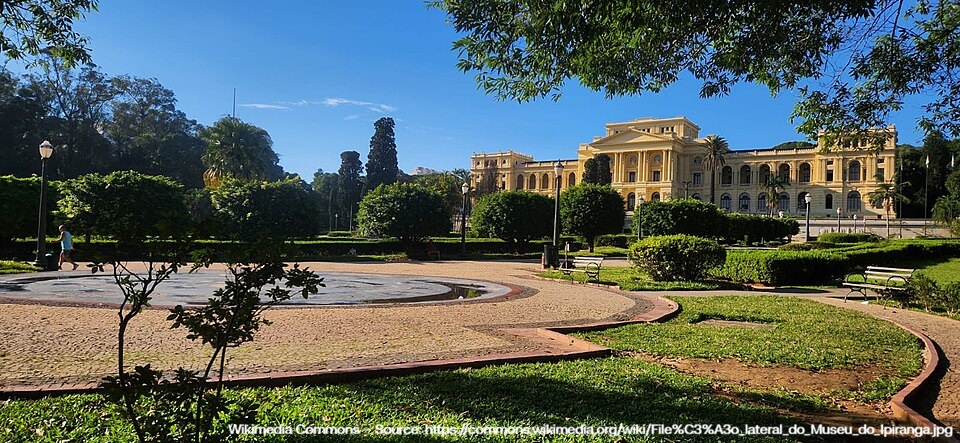
The Ipiranga Museum (Museu do Ipiranga) is one of Brazil’s most important historical museums. Located in the historic Ipiranga neighborhood of São Paulo, the museum is housed in a monumental building surrounded by beautiful gardens inspired by European landscape design.
Its extensive collection explores the history and culture of Brazil, with a particular focus on the history of São Paulo and the formation of Brazilian society. Among its most renowned works is Independência ou Morte, by Pedro Américo, which depicts the proclamation of Brazil’s independence in 1822.
Participants will have the opportunity to visit the museum, explore its exhibitions and historic gardens, and learn more about the history of Brazil and São Paulo while experiencing one of the city's most iconic cultural landmarks.
• Pinacoteca de São Paulo
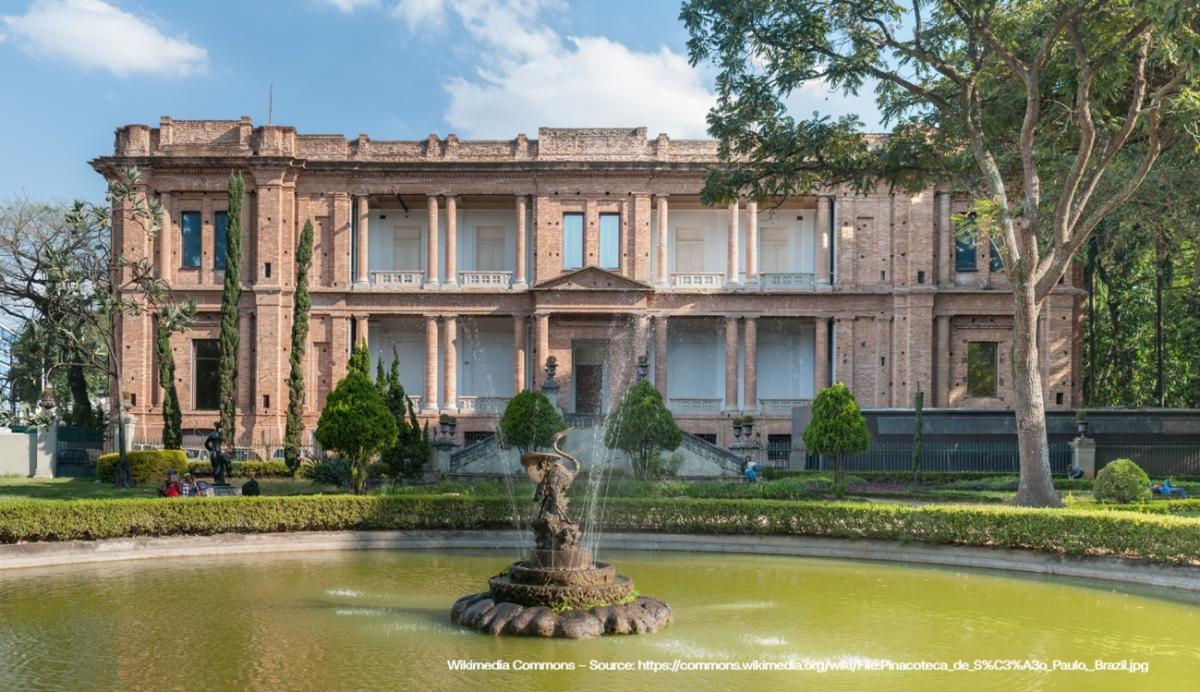
The Pinacoteca de São Paulo is one of Brazil’s oldest and most renowned art museums, dedicated primarily to Brazilian art from the 19th century to the present day. Founded in 1905, the museum is located in a historic building in the Luz district, whose architecture and restored spaces are an important part of the visitor experience.
Its collection includes paintings, sculptures, drawings, photographs, and contemporary works, offering visitors an overview of the development of Brazilian art across different periods and artistic movements. In addition to its permanent collection, the museum hosts temporary exhibitions featuring Brazilian and international artists.
Participants will have the opportunity to explore the museum’s exhibitions and historic architecture while discovering an important part of Brazil’s artistic and cultural heritage.
• Afro Brazil Museum + Ibirapuera Park
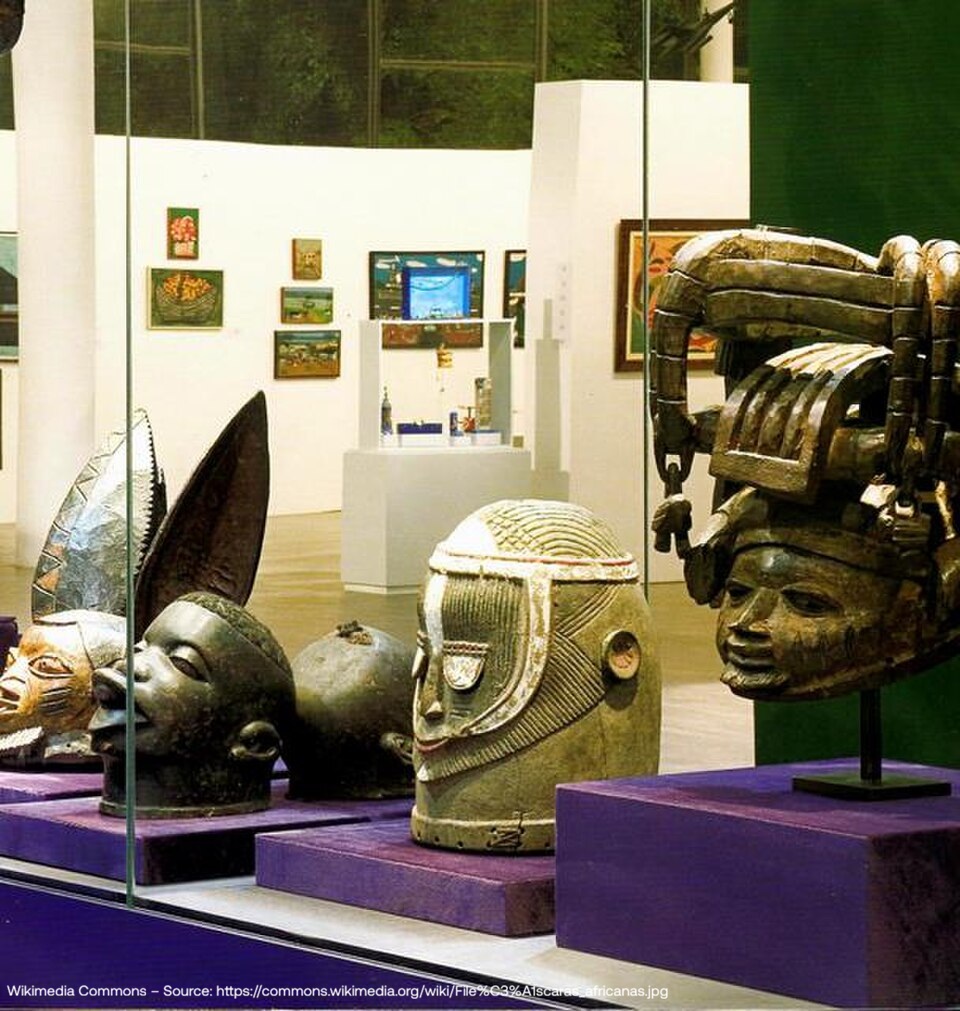
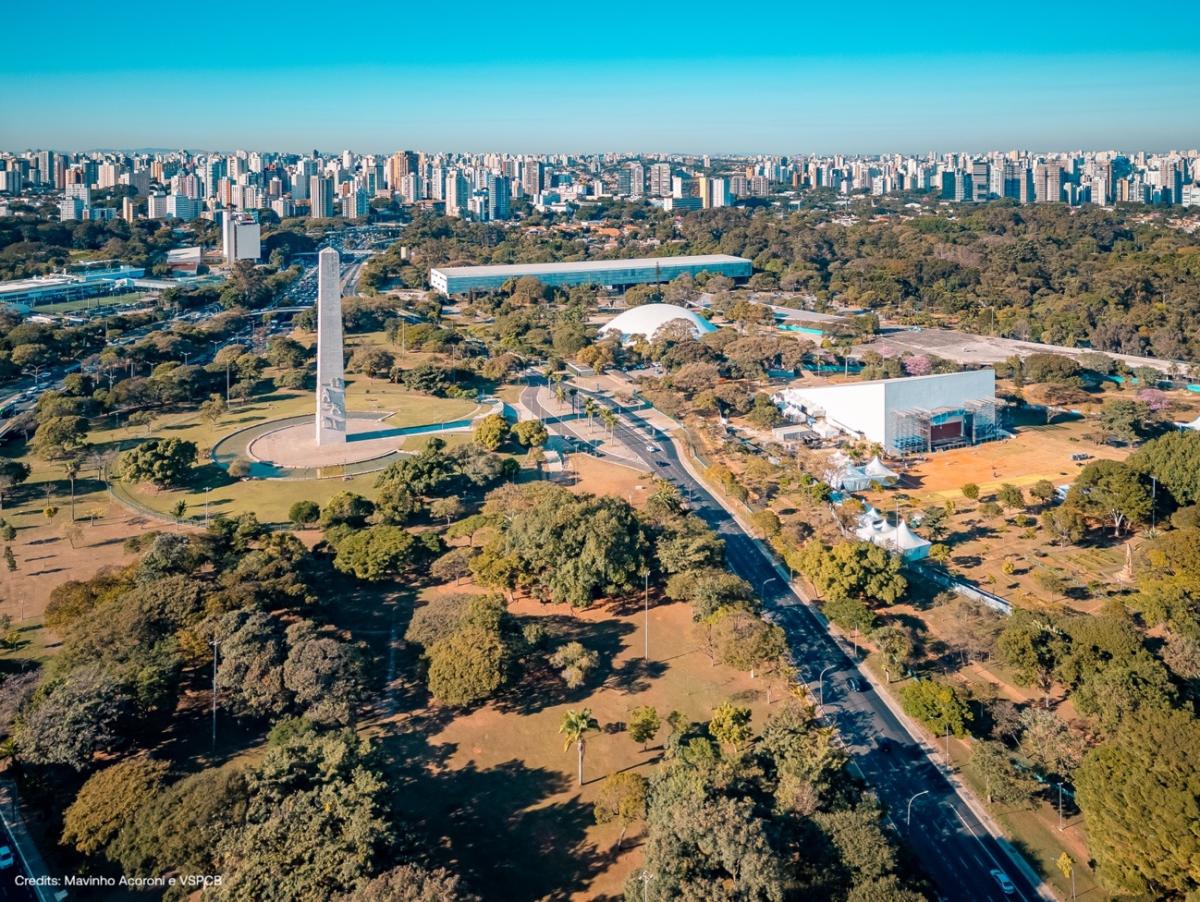
Located in São Paulo’s iconic Ibirapuera Park, the Afro Brazil Museum (Museu Afro Brasil Emanoel Araujo) is one of Brazil’s most important cultural institutions dedicated to the preservation, study, and celebration of the history and contributions of African and Afro-Brazilian peoples.
The museum houses an extensive collection of artworks, historical objects, photographs, documents, and other artifacts that explore the presence and influence of African cultures in Brazil. Its exhibitions address themes ranging from religion, art, music, and traditions to the history of slavery, resistance, identity, and the diverse cultural heritage of Afro-Brazilian communities.
As part of the ICHVE 2026 tour, participants will have the opportunity to visit the museum, discover an important part of Brazil’s cultural history and heritage, and explore Ibirapuera Park, one of São Paulo’s most iconic green spaces and cultural landmarks.
Ibirapuera Park is one of São Paulo’s most important green and cultural areas, offering a combination of outdoor spaces and major cultural institutions. Opened in 1954, the park features landscaped gardens, lakes, walking and cycling paths, and open areas for leisure and recreation.
• Museum of Zoology of the University of São Paulo
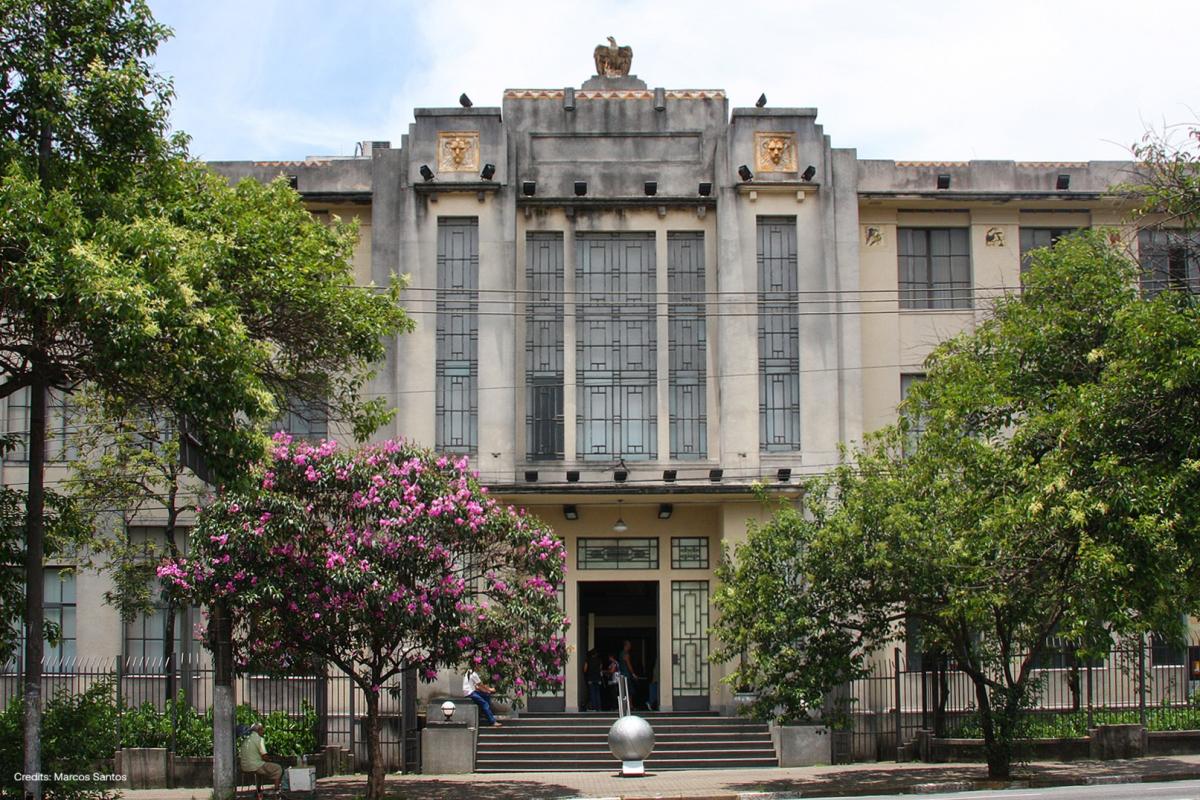
The Museum of Zoology of the University of São Paulo (Portuguese: Museu de Zoologia da Universidade de São Paulo, abbreviated MZUSP) is a public natural history museum located in the historic Ipiranga district of São Paulo, Brazil. The MZUSP is an educational and research institution that is part of the University of São Paulo. The museum began at the end of the 19th century as part of the Museu Paulista; in 1941, it moved into a dedicated building. In 1969 the museum became a part of the University of São Paulo, receiving its current name.